

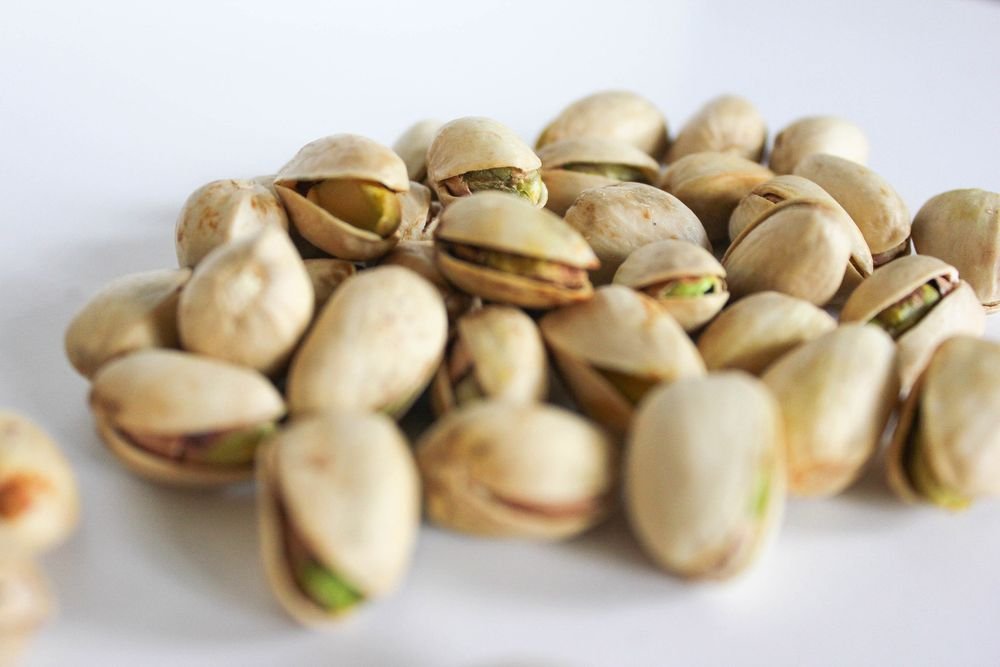
Pistachios have quietly become one of the most talked-about commodities in food markets right now. Prices hit an 8-year high in early 2026, and headlines about a shortage have been spreading fast. But how much of that is actually true?
This article breaks down whether a real shortage exists, what is driving the supply crunch, which countries are involved, how prices have moved, and what consumers and food businesses should expect going forward.
Is There Really a Pistachio Shortage?
The honest answer is: it depends on how you define “shortage.” Industry sources describe the current situation as tight or cautious supply — not a confirmed global shortage. That distinction matters.
Shelves are not empty. You can still buy pistachios at the store. But supply is strained, prices have risen sharply, and availability has tightened — especially for bulk buyers, food manufacturers, and processors who need large, consistent quantities.
The more accurate claim is this: there is less pistachio supply available than the market wants right now, and that gap is pushing prices up fast. FoodNavigator, which covers the food industry closely, frames it exactly this way — tight supply, not a definitive worldwide shortage.
So when you see dramatic shortage headlines, take them with a grain of salt. The situation is real, but it is not a crisis where pistachios disappear from shelves entirely.
The Three Countries That Control Most of the World’s Pistachio Supply
To understand why the market is so sensitive right now, you need to know how concentrated pistachio production really is.
Three countries produce the overwhelming majority of the world’s pistachios: the United States, Iran, and Turkey. Estimated 2025 crop volumes on an in-shell basis were roughly:
- United States: approximately 712,000 metric tons
- Iran: approximately 225,000 metric tons
- Turkey: approximately 135,000 metric tons
Think of it like a small number of reservoirs feeding a large city. If just one or two of those reservoirs run low at the same time, the whole system tightens quickly — even if the third one is doing fine.
That is exactly what makes this market fragile. When supply weakens in even two of these three dominant producers simultaneously, the global market feels it fast. Buyers compete for fewer nuts, prices climb, and the strain reaches all the way down to the bakery or ice cream brand making products with pistachio paste.
What Is Causing the Supply Crunch Right Now
There is no single cause here. Several things hit at roughly the same time, which is why the pressure has been so sharp.
1. Disruption in Iran
Iran is one of the world’s largest pistachio exporters. Ongoing conflict has interrupted shipment flows out of the country, reducing how much Iranian supply reaches global buyers. This alone is a significant disruption, given Iran’s share of total output.
2. Weather and Drought
Multiple producing regions have seen weaker-than-expected harvests due to weather stress and drought conditions. This is not just an Iran problem. It has affected output across growing areas, reducing the overall volume available to the market.
3. The On-Year / Off-Year Crop Cycle
Pistachio trees naturally follow a cyclical pattern. A heavy harvest one season — known as an “on-year” — is typically followed by a lighter harvest the next, called an “off-year.” This is a normal part of how pistachio production works, but it means supply can swing significantly from one year to the next even without any external pressure.
When an off-year lines up with geopolitical disruption and bad weather at the same time, the combined effect is magnified.
4. Demand Has Surged at the Wrong Moment
While supply has softened, demand has actually increased. The viral popularity of Dubai chocolate — a dessert product heavily loaded with pistachio paste — helped push pistachio demand higher across confectionery, bakery, and dessert categories globally.
More people and more manufacturers want pistachios at the same time fewer are available. That combination drives prices up quickly.
Global pistachio production for the 2025/2026 season was estimated at around 1.09 million metric tons, down from approximately 1.19 million metric tons the prior season. That drop of roughly 100,000 metric tons across a concentrated supply chain is enough to move prices sharply.
How High Have Pistachio Prices Gone?
Pistachio prices reached approximately $4.57 per pound as of March 2026, according to data cited by UkrAgroConsult and corroborated by Moneycontrol, which referenced Bloomberg and Expana. That is the highest price level since 2018 — a roughly 8-year high.
It is worth being clear: $4.57 per pound is a market benchmark figure, not a fixed price you will see on every retail bag. Prices vary depending on origin, grade, processing, and when a contract was signed. What the number tells you is the general direction — and that direction is sharply upward.
The outlook is not settling down soon either. Projected smaller crops for the U.S. and Iran in 2026–27 suggest that prices could stay elevated through the next season. Buyers and businesses planning ahead should factor that in now rather than waiting to see what happens.
Which Foods and Industries Are Most Affected
The supply crunch is not just a problem for people who snack on pistachios directly. It hits food manufacturers hard, particularly those who use pistachios as a core ingredient rather than a topping or garnish.
The most affected sectors include:
- Bakeries and patisseries that use pistachio paste in fillings, creams, and cakes
- Ice cream and gelato producers who use whole pistachios or paste as a primary flavor
- Confectionery brands making pistachio chocolate bars, pralines, and nut clusters
- Premium dessert makers whose products depend on pistachio for color, flavor, and texture
Here is the practical problem for these businesses: pistachios are not easy to swap out. A bakery using pistachio paste cannot simply replace it with almond paste or cashew paste without changing the flavor, color, and texture of the final product. Customers notice.
That means manufacturers face a harder choice than just finding a substitute. Their real options are to absorb the higher cost, pass it on to customers through higher prices, reduce portion sizes, or redesign the product — none of which are quick or cheap fixes.
Consumers, on the other hand, are most likely to notice the impact in the price of premium pistachio products rather than in empty shelves. A pistachio gelato, a fancy pastry, or a specialty chocolate bar may simply cost more over the next year or two.
For more coverage of commodity markets, food industry trends, and business news, Bizline tracks the stories that matter to consumers and businesses alike.
What to Expect Going Forward
Here is a straightforward summary of what the current picture suggests:
- Prices are likely to stay high through at least the 2026–27 season, given projected smaller crops in key producing countries.
- Bulk and commercial buyers will feel the most pressure. Retail consumers will see higher prices, but supply will not disappear from store shelves.
- Food products that rely heavily on pistachios may get more expensive, come in smaller sizes, or be harder to find in certain markets.
- The situation could ease if Iran’s export flows stabilize and the next harvest cycle delivers stronger yields — but neither of those outcomes is certain right now.
The pistachio market is not in freefall, and this is not a dramatic collapse of the food supply. It is a real and meaningful supply crunch driven by a combination of geopolitics, weather, crop cycles, and demand surging at an inconvenient time.
Understanding that clearly helps you plan better — whether you are a home cook buying snacks, a small food business managing ingredient costs, or just someone trying to make sense of why your favorite pistachio gelato suddenly costs more.
Watch the next harvest season closely. That will be the clearest signal of whether this tightness is temporary or sticks around longer than expected.
Read Also:
