

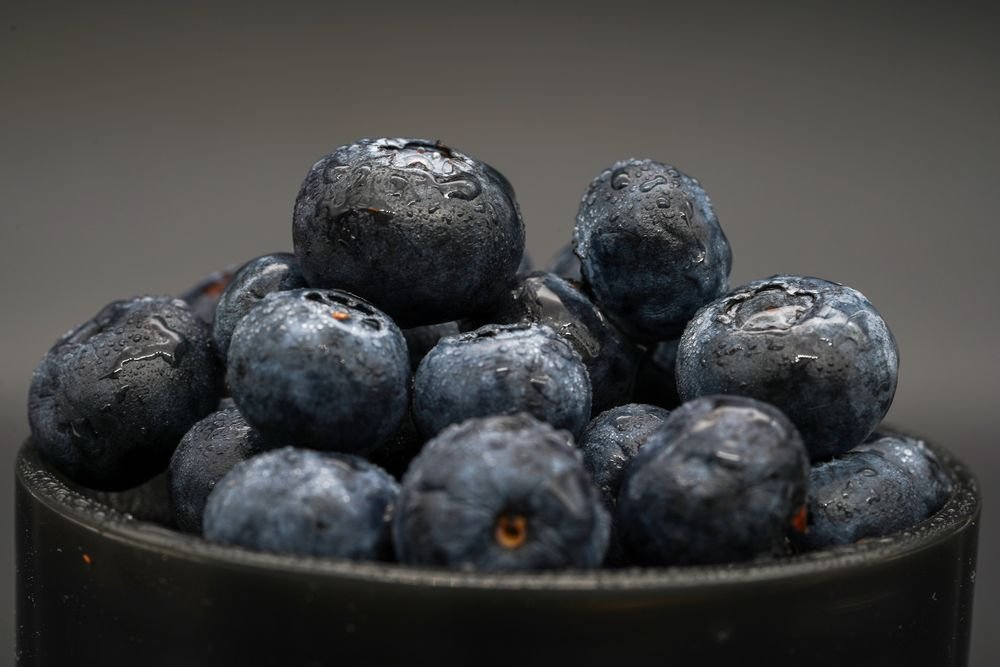
Blueberries are harder to find and more expensive right now — and it’s not because of one problem in one place. At least four separate growing regions are dealing with crop losses at the same time. That combination is what’s hitting grocery store shelves and pushing prices up.
This article breaks down exactly why there’s a blueberry shortage in 2025–2026, which types and regions are affected, how long each shortage is expected to last, and what you can do in the meantime.
What Is Actually Causing the Blueberry Shortage Right Now
There is no single cause. Several different weather events have hit several different growing regions at once. When you understand each one separately, the bigger picture becomes clear.
Florida: A February Freeze That Wiped Out Crops
In early February 2026, freezing temperatures moved through North Central Florida during the early growing season. Many farmers lost 50–70% of their crops. Some lost nearly everything.
When Florida blueberries disappear from the market, stores have to import from other countries. That raises prices and creates gaps on shelves, especially for consumers in the South and East who normally rely on local spring berries.
Peru: Extreme Heat and UV Radiation
Peru is one of the biggest suppliers of off-season blueberries to North America and Europe. Right now, Peruvian export volumes are down 37% compared to the 2022–23 season.
The cause is a combination of El Niño-driven heat and unusually high ultraviolet radiation. UV levels in affected growing areas have reached 11–12 on the index scale. The optimal level for blueberry plants is around 3–4. That kind of stress causes delayed blooming by up to 60 days in some varieties, along with leaf drop and shriveled fruit.
Many Peruvian shippers have invoked force majeure clauses — essentially declaring the situation an act of God — because they cannot fulfill their contracts. The disruption is expected to continue through October 2026.
Maine: One of the Driest Summers in 30 Years
Maine produces nearly all of the wild blueberries grown in the United States. The state’s 2025 summer was one of the driest in three decades, and moderate to severe drought conditions have carried into 2026, with some areas experiencing extreme drought.
Drought reduces both the yield and the size of wild blueberries. Smaller berries, fewer of them, and higher prices are the result. The full 2026 harvest season is at risk.
Morocco: Heavy Rains at the Wrong Time
Morocco was on track to produce around 100,000 tons of blueberries in 2026. Then heavy rains hit the Larache growing region, severely delaying harvests and pushing production well below last year’s 60,000 tons.
Here’s something worth noting: despite that shortfall, European export prices actually dropped about 31% during the season. Why? Because Spain had a surplus and was supplying berries at lower cost. This shows that a shortage in one region doesn’t always mean higher prices everywhere — it depends on whether a competing region can pick up the slack.
The Relay Race Problem
Think of the global blueberry supply like a relay race. Florida runs first in early spring. Then other U.S. states take over. Then Peru and other Southern Hemisphere suppliers fill the off-season gaps. When one runner stumbles, the others try to compensate.
The problem right now is that multiple runners are stumbling at the same time, from different causes. The gaps in supply stack on top of each other, and that’s what consumers are feeling.
Wild Blueberries vs. Cultivated Blueberries — Two Different Shortages
Not all blueberry shortages are the same. Wild and cultivated blueberries are genuinely different products, and they’re not interchangeable.
What Makes Wild Blueberries Different
Wild blueberries are smaller, more intensely flavored, and nutritionally denser than farmed blueberries. They grow in specific ecosystems — particularly the barrens of Maine — and cannot be scaled up quickly or replaced with imports from other regions.
Maine’s wild blueberry crop generates over $360 million annually for the state’s economy. When drought reduces the harvest, there’s no easy way to make up for it. You can’t simply plant more wild blueberries on short notice and get the same product.
Why the Wild Blueberry Shortage Is Harder to Solve
Cultivated blueberries can be sourced from Florida, Peru, Chile, Mexico, and Spain, among other places. When one region has a bad season, importers can usually find supply elsewhere. It’s not perfect, but there’s flexibility.
Wild blueberries don’t have that flexibility. If Maine’s harvest is poor, there is no replacement product. The shortage is more acute and harder to offset. Consumers who buy frozen wild blueberries, wild blueberry jam, or other specialty products tied to wild berries will face a tighter situation than those buying standard fresh blueberries.
According to reporting from Tasting Table and food researchers who study the Maine ecosystem, wild and farmed blueberries cannot simply be swapped — the flavor, nutrition, and consumer expectation are all different.
How Long Each Shortage Is Expected to Last
There is no single end date for the 2026 blueberry shortage because it’s not a single shortage. Here’s a breakdown by region and type.
Florida Fresh Blueberries
The freeze-related shortage in Florida was expected to ease around April 2026 as the delayed growing season caught up. If you’re in a region that relies on Florida berries, availability should gradually improve in spring.
Peru Off-Season Supply
This is the longest-running disruption. The Peruvian shortage is expected to continue through October 2026. El Niño weather patterns and ongoing UV stress have reduced the country’s export capacity significantly. Importers are scrambling for alternatives, but the gap is large.
Maine Wild Blueberries
The drought that began in summer 2025 is still affecting growing conditions in 2026. That means the full 2026 harvest season — which typically runs in late summer — is likely to produce smaller yields and higher prices. If you rely on Maine wild blueberry products, expect a difficult year.
Morocco and European Markets
Morocco’s production shortfall is real, but European consumers may not feel the full price impact because of Spain’s surplus. This is a good example of how regional shortages play out differently depending on the competitive landscape. European buyers may actually see stable or lower prices despite Morocco’s problems.
The Bottom Line on Timing
There is no single date when the shortage ends. The situation will ease at different times depending on which berries you’re buying and where you’re buying them. Florida supply may normalize by mid-spring. Peruvian supply is a longer wait. Wild blueberries from Maine face challenges through the entire 2026 season.
What Consumers Can Do Right Now
Here are practical steps you can take based on what’s actually happening.
- If you want fresh cultivated blueberries: Prices may stay elevated through spring. Check whether your store is importing from Chile or Mexico, which may have more stable supply. Prices could ease as the domestic season picks up.
- If you want wild blueberries: Stock up on frozen wild blueberries now if you find them at a reasonable price. Supply is expected to tighten as the year goes on. Don’t assume fresh wild blueberries will be a reliable option in 2026.
- If you use blueberries for cooking or baking: Frozen blueberries are often a direct substitute in recipes. They’re picked and frozen at peak ripeness, so quality holds up well. Just note that frozen wild blueberry stocks depend on prior harvests, so those may also be limited.
- If you’re buying specialty products like wild blueberry jam or wild blueberry supplements: expect higher prices and possibly reduced availability this year.
- If budget is a concern: Other berries — raspberries, blackberries, and strawberries — are not facing the same simultaneous supply problems. They’re a reasonable alternative for general use.
For broader context on food prices and supply trends in 2026, Bizline covers business and consumer news across a range of industries.
The Bigger Picture
Each of the events causing this shortage — a February freeze in Florida, drought in Maine, El Niño heat in Peru, heavy rains in Morocco — is a separate weather event. But researchers and scientists who study Maine’s wild blueberry ecosystem have noted that blueberry fields in the state are warming faster than Maine’s average, and erratic weather is becoming a recurring problem for growers.
Some growers are already exploring drought-resistant varieties and new growing methods, including agrivoltaics — growing crops under or near solar panels to protect them from temperature extremes. These are long-term adaptations, not quick fixes.
For now, the 2026 blueberry shortage is real, it’s layered, and it affects different buyers in different ways. Understanding which part of the shortage applies to you is the most useful thing you can do.
Wild blueberry buyer? Plan for a tight year. Fresh cultivated berry buyer? Expect higher prices through spring, with gradual improvement. Off-season buyer who relies on Peruvian imports? The disruption runs longer — likely through fall
Read Also:
